Visiting Chiang Saen becomes a different experience when you stay long enough for an unhurried morning, a shared meal and a quiet return to your room. Rather than treating the old town as a stop on the way to somewhere else, choose a base that suits the way you want to travel. Athita The Hidden Court Chiang Saen is an option for travellers drawn to brick-and-timber architecture and time to rest between cultural outings. Two nights can create that space without requiring a long checklist of attractions.
World Heritage aspirations is not an official UNESCO status. Chiang Saen is not inscribed, and it does not appear on Thailand's UNESCO Tentative List checked on 4 November 2026. The Chiang Rai Provincial Public Relations Office describes information gathering and preparation to advance Ancient Chiang Saen toward consideration, not a completed inscription [1] [2]. The town is worth exploring now, without claiming that a future decision is guaranteed.
Start with the kind of Chiang Saen stay you want
Ask what you would like the trip to feel like. History enthusiasts may want one substantial temple visit rather than several brief stops. Couples celebrating an occasion may value an afternoon with nothing scheduled. Friends or family members who prefer less walking need realistic information about stairs, transport and places to rest. These choices make an old-town trip useful to the people taking it, rather than simply attractive on a map.
Choose accommodation in relation to the whole day. An old-town-context base can help separate short cultural outings from journeys that need a driver. A hotel chosen primarily for expansive views may suit a different plan. Neither approach is universally better. Read Ancient Chiang Saen as a living historic city for the background, then use this article to decide how your stay, meals and breaks should fit together.
Read the World Heritage news accurately
The official update of 7 October 2026 records discussions between Chiang Rai Province, relevant agencies and a Senate subcommittee about gathering preliminary information for Ancient Chiang Saen. This is distinct from the work concerning historic Chiang Mai, which is a different place at a different stage. Chiang Saen, Chiang Mai and Ban Chiang Archaeological Site should not be confused because their names sound similar [1] [2].
UNESCO describes a Tentative List as an inventory of places a country may consider for nomination. Even that is not inscription, and preparation should involve local communities and site managers [3]. For visitors, the practical conclusion is straightforward: come to understand the town's heritage, but do not describe the town or Athita as already UNESCO-certified. No successful inscription date is established by this article.
Choose two or three nights around your arrival time
If you travel through Chiang Rai, plan from the time you actually reach Chiang Saen, not the time your flight lands. Collecting luggage and completing the onward journey are part of the day. One night can work for a brief visit, but a late arrival may leave little beyond dinner before you prepare to leave. Two nights are a useful starting point for a fuller morning and a genuine rest period.
Three nights offer flexibility if you want a separate Golden Triangle outing or more breaks. Unscheduled time need not become another attraction: reading, resting or talking with your travelling companion can be part of the purpose. For a shorter framework, see the Chiang Saen two-day, one-night itinerary, then adjust it rather than trying to complete every suggestion.
A small old-town route with room to notice
Give one temple your morning attention
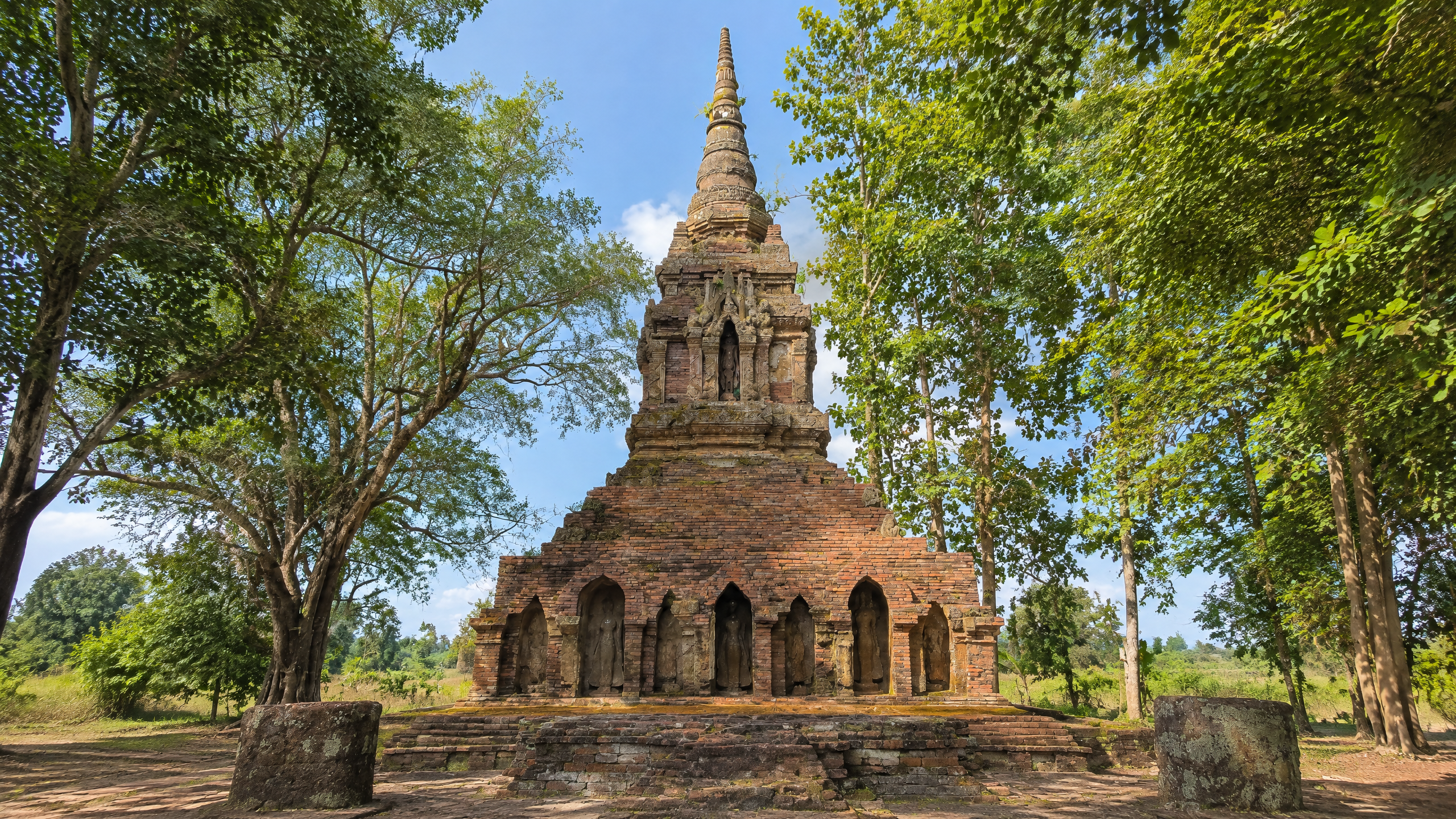
Choose Wat Pa Sak or another heritage site as the main stop. TAT Chiang Rai describes Wat Pa Sak's mondop-form chedi, bell spire and ornamental stucco [4]. Looking carefully at form and detail can be more rewarding than photographing every location. Check current visitor hours and access rules; the publication date of a tourism page does not establish today's arrangements.
Between stops, notice walls, moats, houses and small businesses from public paths. An interesting doorway is not permission to enter someone's home. For Wat Athi Ton Kaew, associated with Athita's name, or other temple choices, consult the ancient-temple route near Athita. Select places that match your transport and energy rather than assuming every point is a comfortable walk.
Make lunch and a break part of the route
A midday meal and return to rest are sensible choices, particularly after walking in warm weather. The afternoon does not always need another temple. You could visit the Mekong riverfront when conditions suit, or stay at the hotel longer. The river is part of the destination; Athita is not presented as a direct riverfront hotel or as offering a river view from every room.
The Golden Triangle needs a separately planned journey. TAT places it about 9 kilometres north of Chiang Saen old town, not within a short lane-by-lane walk [5]. If considering a boat, let a current operator, weather, water conditions and safety equipment shape the decision. Read the Chiang Saen Mekong boat-trip article; do not assume a departure or cross-border route operates every day.
Why consider Athita for an old-town trip?
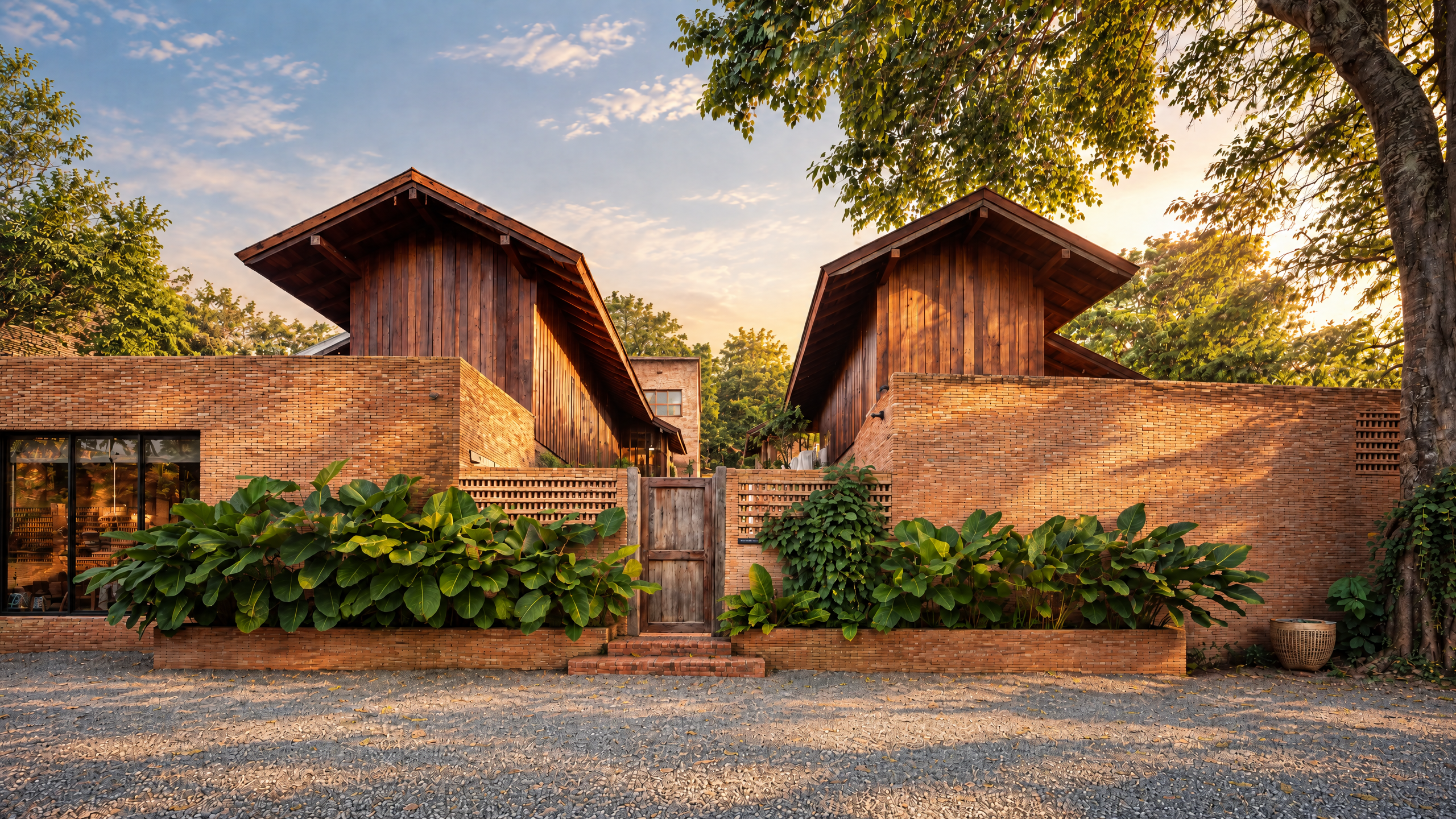
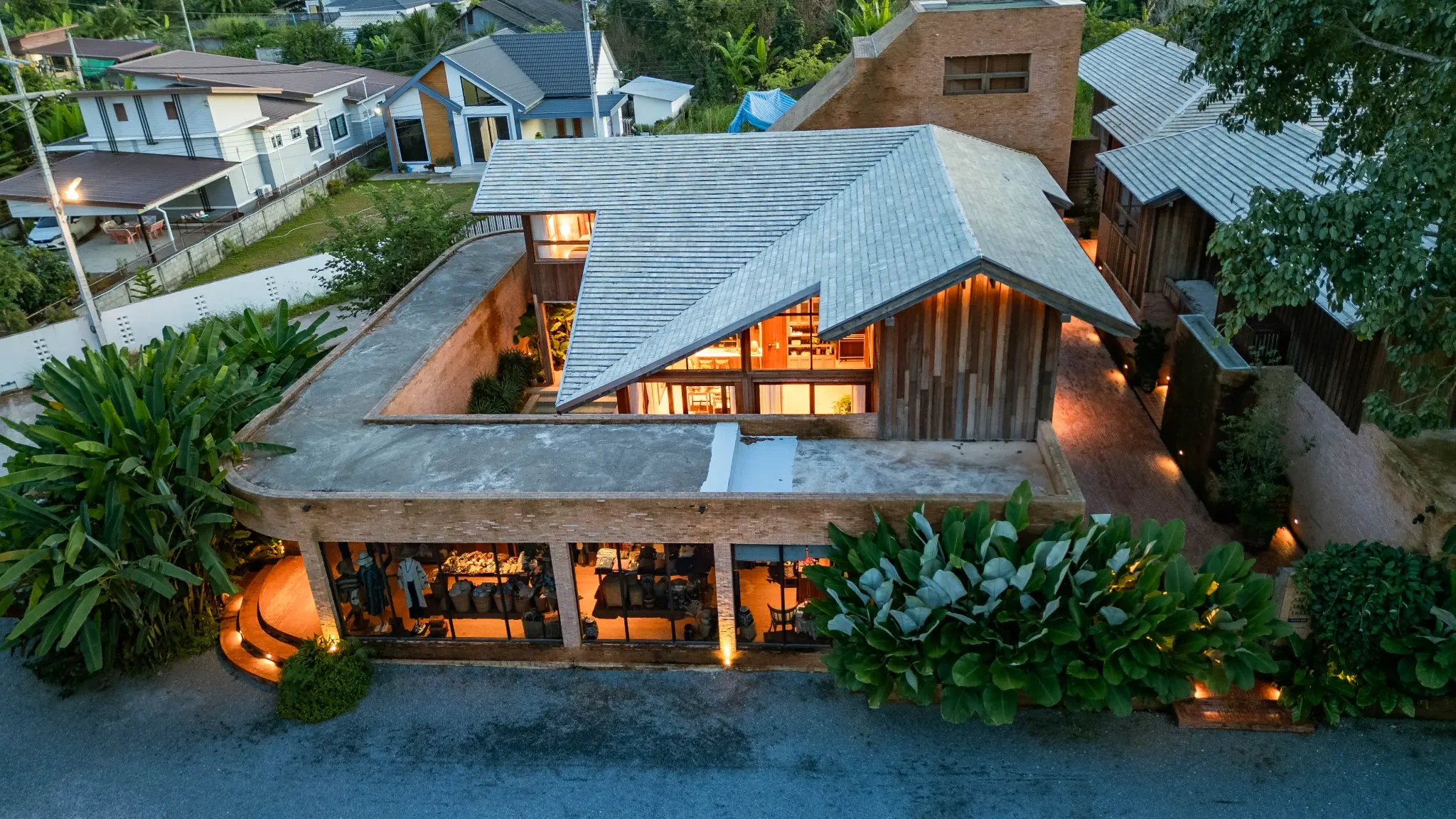
Athita is at 984 Moo 2, Wiang, Chiang Saen, Chiang Rai 57150. Its architectural identity brings brick, timber and resting spaces into the Chiang Saen setting. For design-minded travellers, the interest extends beyond a bedroom to changing light, materials and transitions between enclosed and open spaces. The Athita and Studio Miti architecture story provides context before a stay.
Choose the property because its character and practical arrangements suit you, not because you believe it is a hotel inside an already declared World Heritage boundary. The cover is an owner-supplied, real aerial photograph of Athita's architectural setting. It is not a reconstruction of an ancient site or a UNESCO boundary map. No pagoda or other landmark has been added to make the picture look more historic.
For an anniversary or birthday, architecture can be the reason to choose the stay, while time together remains the central experience. Ask the team in advance about a special meal or room arrangement and any associated cost. Such requests are not automatically included in every booking. Explore Athita's rooms and pool villas, then compare the options with your actual group and needs.
Choose rooms carefully when stairs are difficult
The property has no lift. Tell the team about stair requirements before choosing a room. Athita lists Deluxe Private Garden and Lotus Garden Suite as ground-floor options, while Superior Pagoda View is upstairs. Confirm actual room availability: requesting a particular floor is not the same as receiving a confirmed allocation [6].
A group of four to six should not assume every villa is suitable for someone who struggles with stairs. Wood View Pool Villa and The Brick Pool Villa have both bedrooms upstairs. Little Chiang Saen Pool Villa has one bedroom downstairs and two upstairs. Ask about bedroom allocation, bathrooms, the route from your vehicle and any changes of level. Ground-floor accommodation is not a promise of wheelchair access throughout [6].
A weekday stay may fit a gentler schedule, but it does not guarantee empty attractions or a lower rate. More useful questions concern suitable room availability, confirmed transport and breaks along the route. Describing practical needs helps the team more than supplying age alone. That approach also avoids treating all older travellers as having the same interests or mobility.
Northern Thai dining as a time to pause
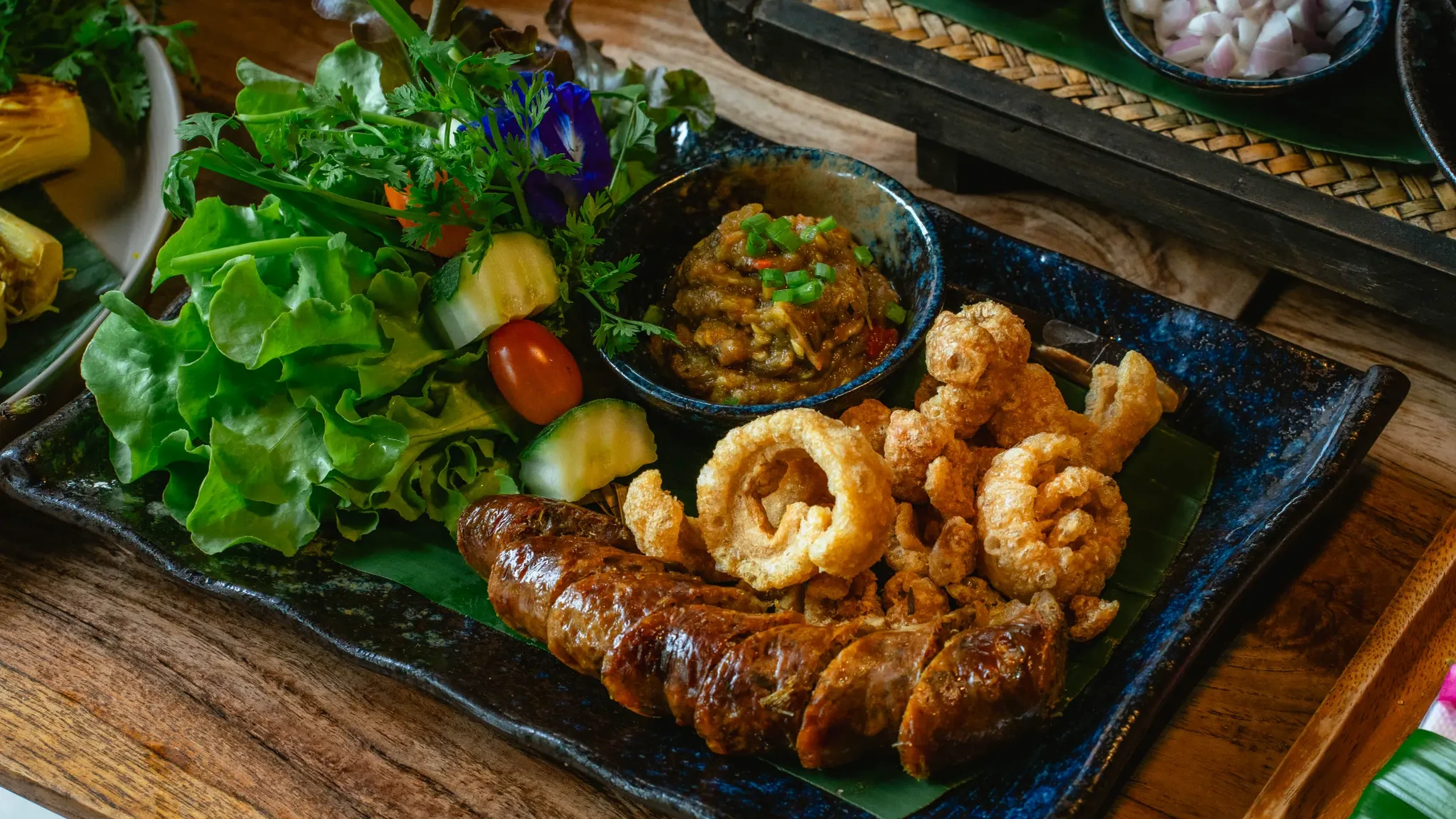
Wiang Neua Cafe & Restaurant is within Athita, making it an option for keeping a meal close to your rest period rather than travelling again for every course. Ask which Northern Thai dishes are available during your stay and choose a sharing meal suited to the group. Dinner can become time to reflect on the day, not simply another appointment [7].
A photograph is not a guaranteed menu. Confirm current hours, table arrangements, prices and spice preferences. Mention allergies, vegetarian requirements or other dietary needs before ordering rather than assuming the kitchen can meet them from the image alone. See Northern Thai food at Wiang Neua or Athita's dining page as a starting point, then rely on current information from the restaurant.
Adapt the plan for late arrivals, rain or less walking
If you arrive in the afternoon, allow the first day to be a travel day. Settle in, confirm dinner and take a short outing only if comfortable. There is little benefit in rushing to a site before closing and beginning the stay exhausted. Give your main cultural visit the next morning instead. In rain, do not push through slippery surfaces or fragile brick areas: a meal, rest or reading can be a better use of the time until conditions improve.
For less walking, a confirmed vehicle can connect two selected places. Ask each site about steps, ramps and resting points; a photograph cannot establish accessibility. Without a private car, start with the Chiang Rai to Chiang Saen car-free planning article and verify pickup points, schedules, cost, luggage and the return journey with an active provider. Asking the hotel is a starting point, not a promise that a transfer is included in the room rate.
Travel respectfully and prepare a useful enquiry
Temples and archaeological remains are not merely visitor backdrops. Dress respectfully, keep voices low, follow signs and avoid climbing or leaning on old brick. Ask before photographing people, respect private property and check drone rules before flying. Thoughtful spending at local businesses connects the trip to the town's present-day life rather than only to a possible future heritage label.
Before sending an enquiry, prepare arrival and departure dates, adult and child numbers, required rooms or bedrooms, any ground-floor needs and your expected arrival time. Explain dining requirements or the occasion you hope to celebrate without assuming an extra service is included. The team confirms availability, rates, conditions and payment arrangements. The website enquiry is not an automatic room confirmation or an online payment.
It also helps to distinguish essentials from preferences. A step-free route, a particular bedroom arrangement or a food allergy should be explained clearly as something that needs confirmation. A preferred view or optional celebratory detail can be discussed separately. This gives the hotel a realistic opportunity to respond and helps avoid choosing a beautiful room that does not match the practical needs of the trip.
Frequently asked questions before visiting Chiang Saen
Is Chiang Saen already a UNESCO World Heritage Site?
No. Chiang Saen is not inscribed, and it does not appear on Thailand's UNESCO Tentative List checked on 4 November 2026. World Heritage aspirations refers to local efforts and preparation, not an approved status or a guarantee of future inscription.
How many nights should I stay in Chiang Saen?
Two nights are a useful starting point for the old town, food and rest. Three nights allow a separate Golden Triangle outing or more breaks for travellers who prefer a gentler pace. Adjust the stay to your arrival time and interests.
What kind of Chiang Saen trip suits a stay at Athita?
Athita is an option for travellers interested in brick-and-timber architecture, the old-town setting and time to rest between activities. Choose a room or villa that fits your group and stair requirements, then confirm availability directly with the hotel.
Which rooms should I consider if stairs are difficult?
The property has no lift. Ask about ground-floor Deluxe Private Garden or Lotus Garden Suite rooms and confirm the route from the vehicle, bathroom layout and any steps before booking. Ground-floor accommodation does not establish wheelchair access throughout the property.
Where can I eat Northern Thai food when staying at Athita?
Wiang Neua Cafe & Restaurant is within Athita at 984 Moo 2, Wiang, Chiang Saen, Chiang Rai. Ask about Northern Thai dishes available during your stay and confirm current hours, prices, table reservations and dietary requirements directly.
Can I visit Chiang Saen from Chiang Rai without a car?
Yes, using a confirmed transfer, taxi or currently operating public transport. Check departure and arrival points, timing, cost and the return journey in advance. Arrange a separate journey for the Golden Triangle rather than assuming an old-town walk includes it.
Let Chiang Saen be both a destination and a rest
You do not need to wait for a new designation to appreciate Chiang Saen. Choose a temple you want to understand, a meal you want to share and a room that suits the people travelling. Leave room for experiences between destinations. If you are considering an old-town Chiang Saen stay with an architectural story, enquire directly with Athita, email athita.info@gmail.com or call +66 63 426 9464 for current availability and conditions.
References
- Chiang Rai Provincial Public Relations Office, preparations concerning Ancient Chiang Saen, published 7 October 2026.
- UNESCO World Heritage Centre, Thailand's inscribed properties and Tentative List.
- UNESCO, Tentative Lists explained.
- Tourism Authority of Thailand Chiang Rai Office, Wat Pa Sak.
- Tourism Authority of Thailand Chiang Rai Office, Chiang Saen attractions.
- Athita, room and villa information.
- Athita, Wiang Neua dining and restaurant photography.
Sources checked on 4 November 2026. Heritage preparation, visitor access, room availability and services can change; confirm details close to your journey.

Your next step
Turn the story into time at Athita.
Explore the room collection, or tell us what kind of stay you have in mind and our team can guide you.