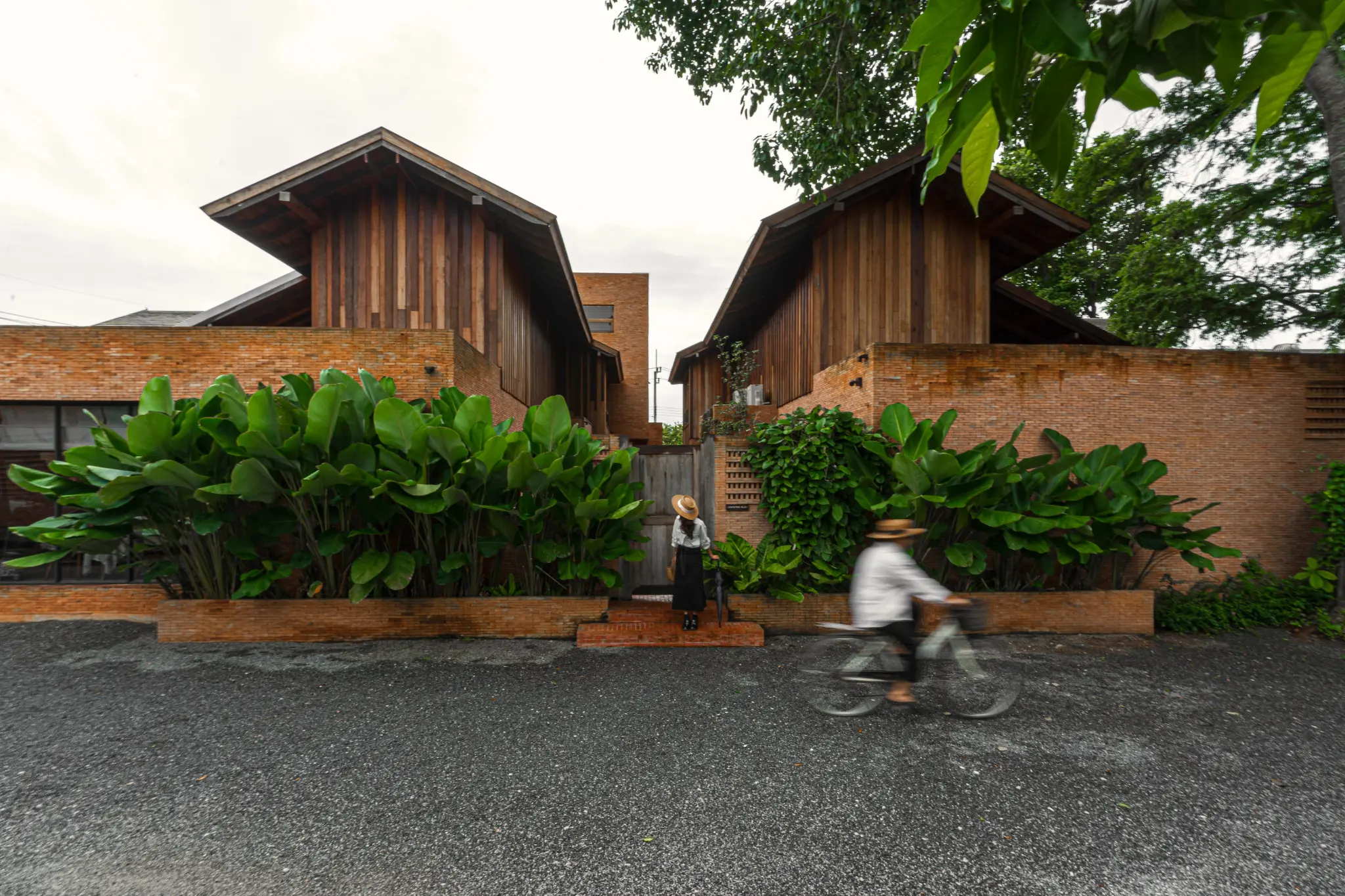
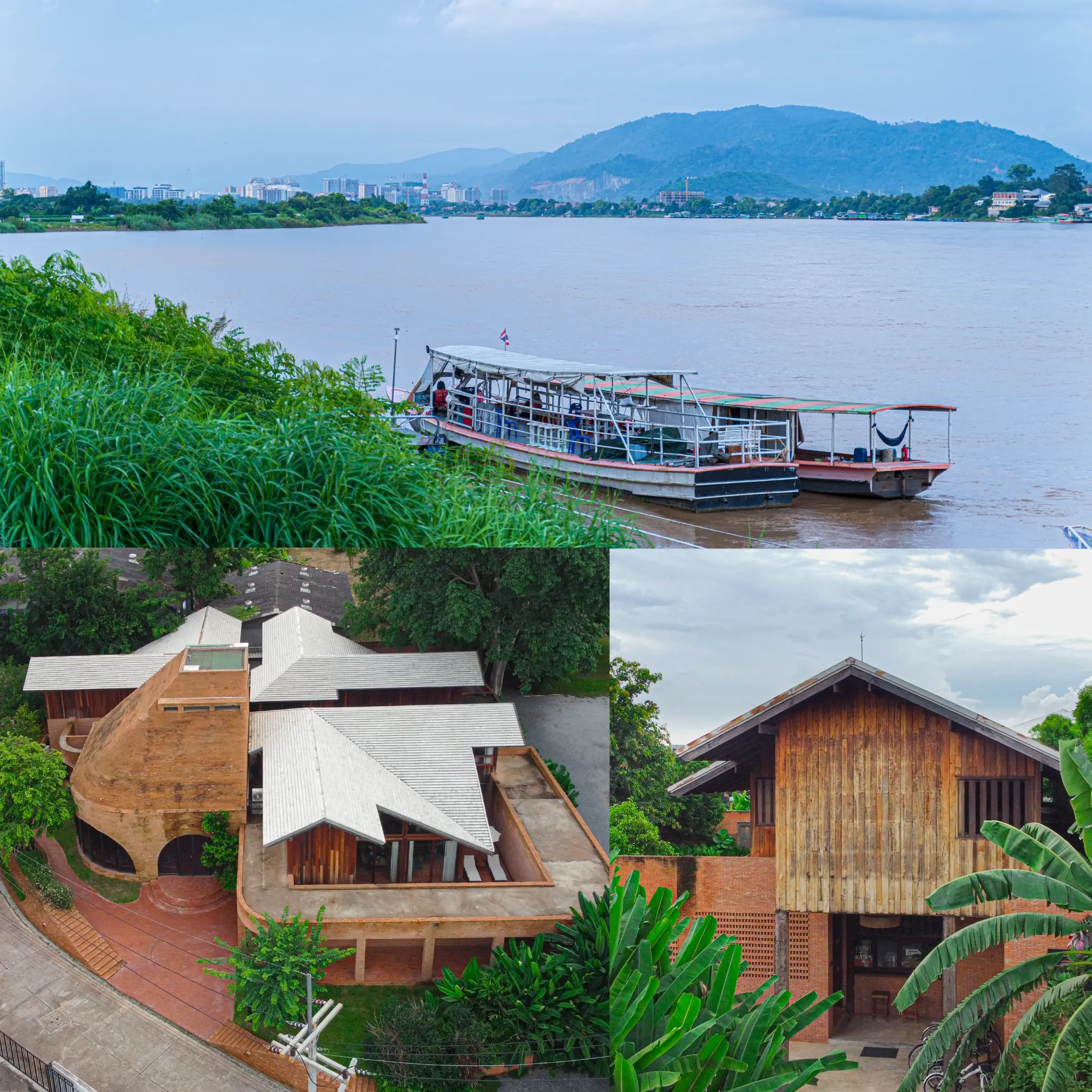
Front elevation of Athita framed by tropical foliage in Chiang Saen
Athita · The Hidden CourtA home in the garden
01—05A photographic essay

Athita The Hidden Court Chiang Saen

Our Story

Begin the story
01

01

The Beginning — A Town Waiting to Be Discovered

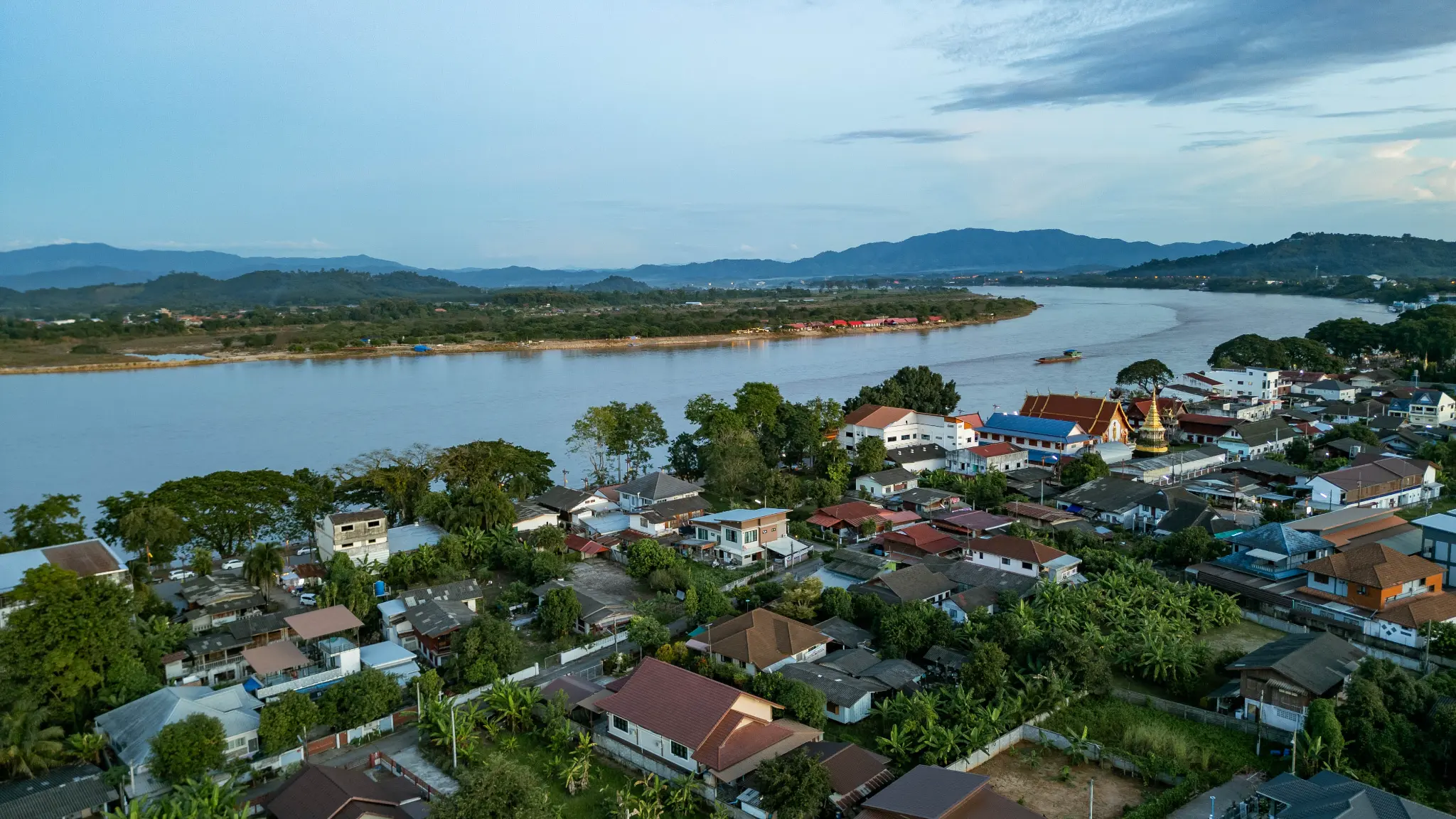
When we speak of Lanna, we think of Chiang Mai. When we speak of Chiang Rai, we think of the Golden Triangle. Yet few remember that Chiang Saen was once the capital of the Lanna Kingdom under King Saenphu — a thriving river port on the Mekong that traded with China and Burma for centuries. A town whose old city walls still stand, its temples clustered close, its quiet way of life beautifully its own.

Athita began with a single question asked by a daughter of Chiang Saen — why does a hometown so beautiful and so serene remain unknown? Rather than wait for an answer, she chose to let Chiang Saen be discovered on its own terms, by creating a retreat that reflects the heart of the town while keeping its serenity undisturbed.

The old town and living heritage of Chiang Saen
Chiang Saen · A town waiting to be discovered
02

02

The Hidden Court — A Courtyard Buried in the Land

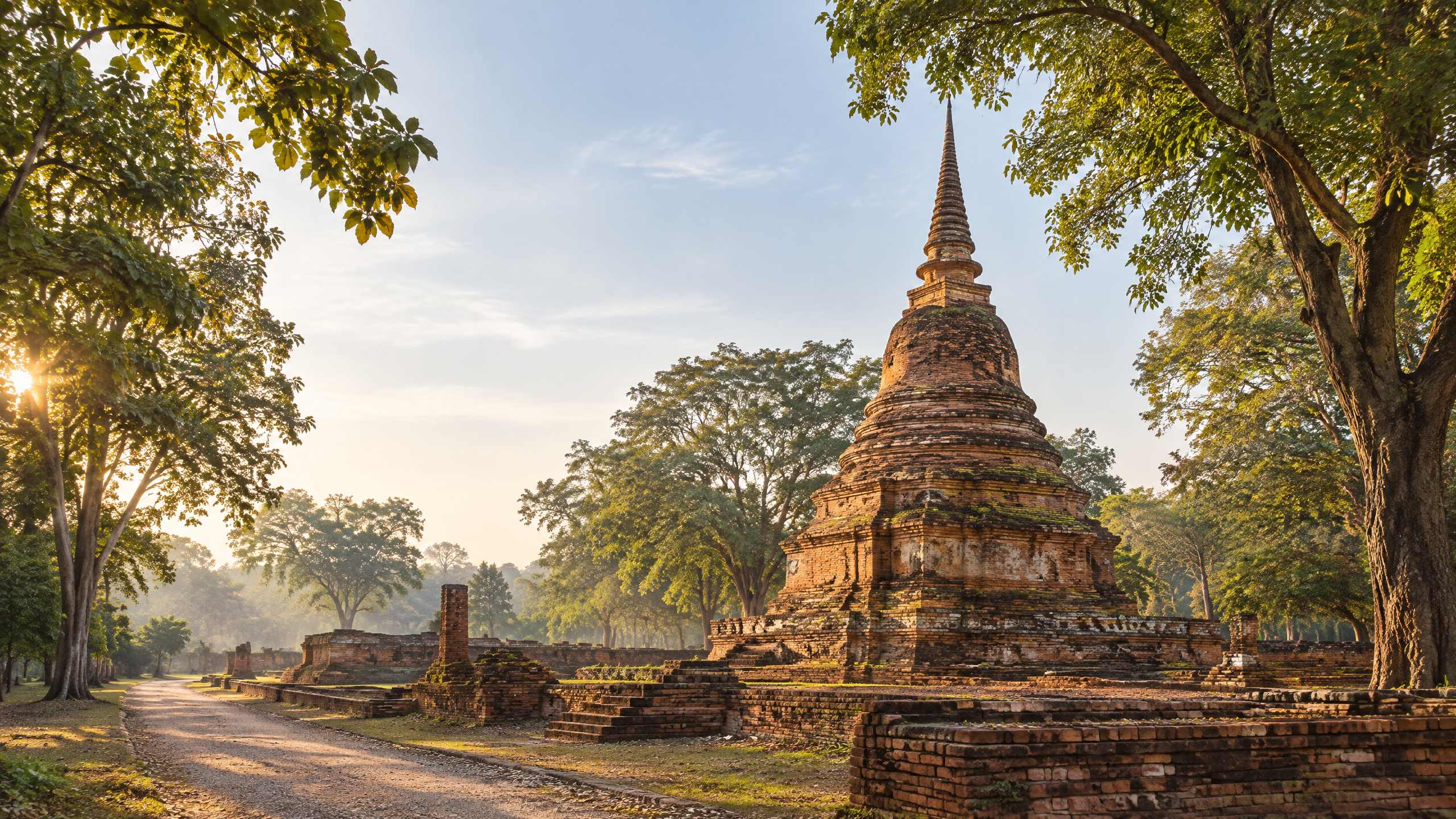
We chose a plot of land facing Wat Athi Ton Kaew, an ancient monument over 500 years old, built in 1495 during the Mangrai dynasty, and entrusted the vision to Studio Miti — architects skilled in wood, brick, and Lanna culture — with a single guiding idea: that the architecture should hide and blend into the town, never standing apart, yet quietly distinct all the same.

Surveying the site, the architects found that this land was once believed to be a ‘khuang’ — the Lanna word for the open communal space of a town, both the khuang ban of the home and the khuang wat of the temple, a court. That hidden court, buried in the land itself, gave the hotel its name — ‘The Hidden Court’ — and became the heart of its entire design.

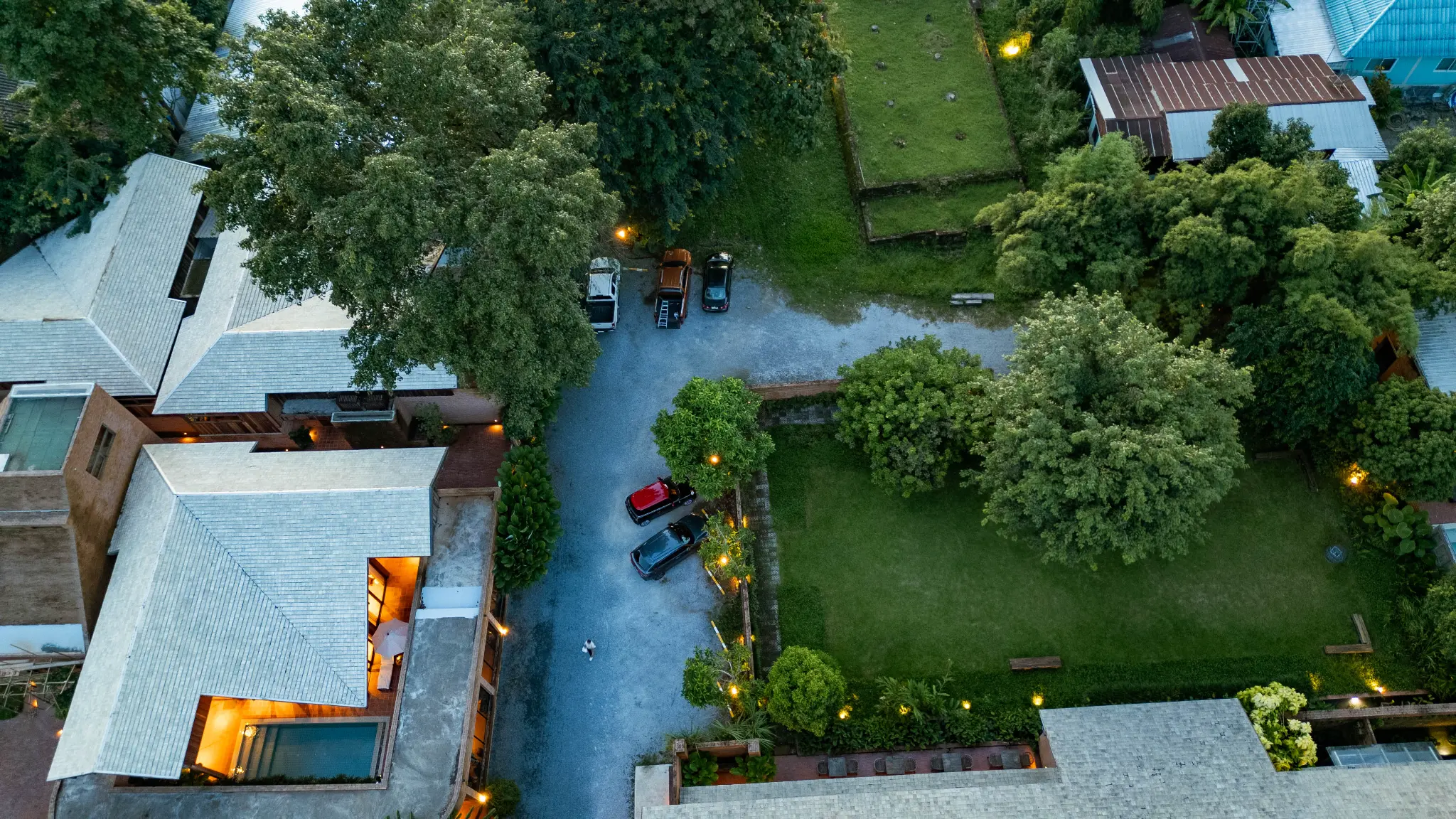
The building is laid out in an L-shape, embracing a broad central lawn court that opens directly onto the ancient pagoda and Buddha image, its height kept carefully below the Buddha to remain respectful of its context. And it is never just one court — pocket gardens are hidden throughout, from the walkways to the guest rooms to the water court leading to the pool.

Aerial view of Athita, its hidden court and mature trees
Aerial view of Athita’s hidden court
03

03

Materials That Tell the Town's Story

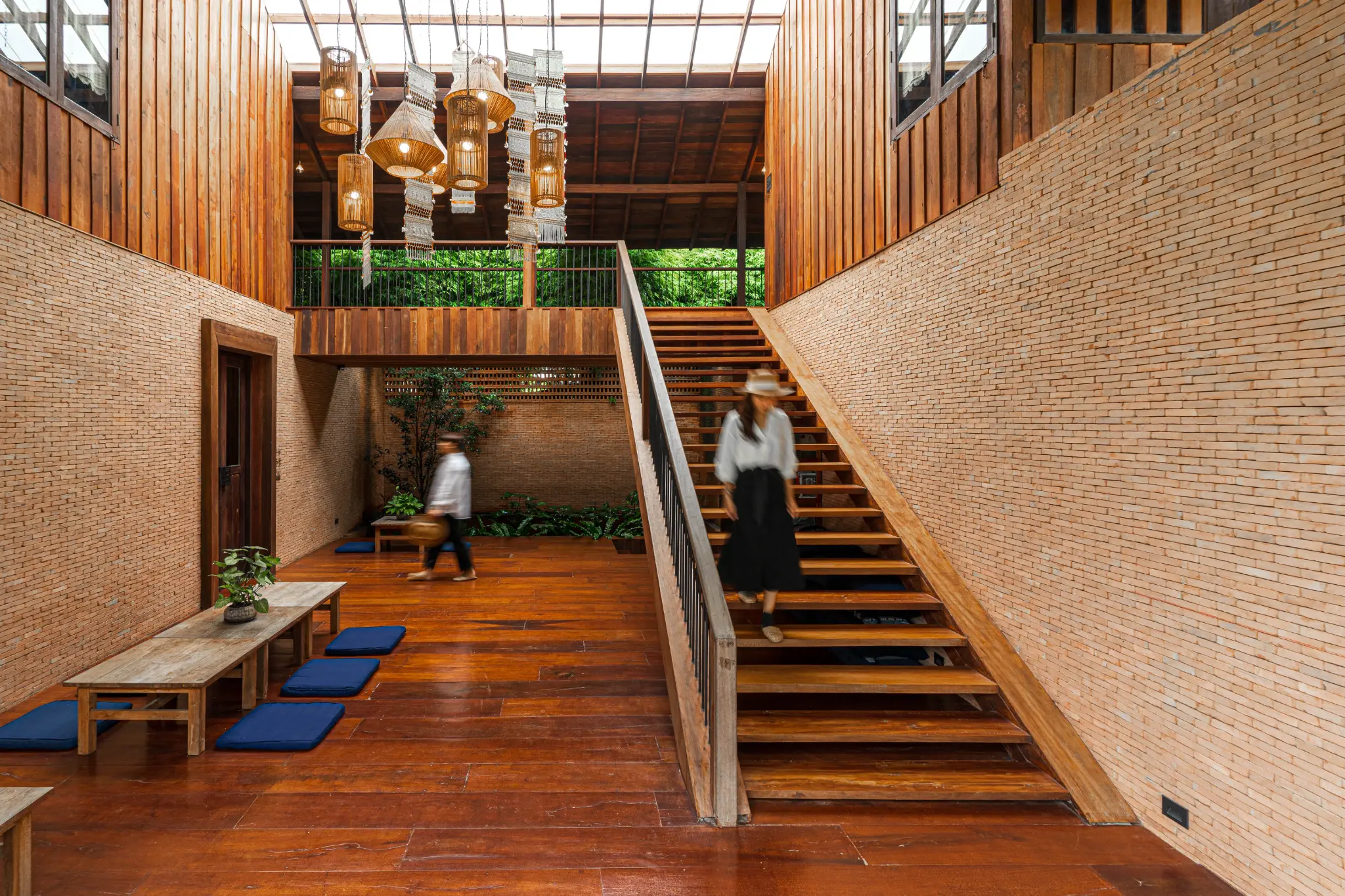
In Chiang Saen, the ancient monuments and temples are built of brick, while people's homes are built of wood — as though brick were the ‘public’ and wood the ‘private.’ Athita tells the town's story through both. The walls and ground floor are laid from handmade clay brick, shaped by local artisans who could lay little more than a single square metre a day, set in an openwork pattern you can see through, echoing the city walls and monuments nearby.

The upper floor is built in true teak, the native material of the north, revealing traditional Lanna joinery — the raised toen, the sliding fa lai panels, the age-old craft. It evokes a rustic wooden home, cool and calm; even the creak of the floorboards was intentional, for that soft sound slows people down, gentling their steps and their thoughts, in keeping with the reverence of standing before a temple. Modern skylights above let natural light fall to the spaces below — a graceful meeting of local wisdom and contemporary craft.

On the ground floor, the lobby, café, and restaurant welcome not only hotel guests but every traveller, inviting them to pause for coffee before walking to pay respect at the temple — part of a wish to bring Wat Athi Ton Kaew back to life and support the community of Chiang Saen.

Athita’s timber, brick and woven interior materials
Materials that carry Chiang Saen’s characterBrick · teak · craft
The timber and brick architecture of Athita Pool Villa and Spa
The next chapter at Athita
04

04

The Next Chapter — Pool Villa and Spa

As Chiang Saen slowly stirs from its quiet past — awakened by contemporary art like the Thailand Biennale, and by a constellation of cultural, economic, and creative forces reshaping this riverside town into a rising destination — Athita has grown alongside it.

Building on the success of The Hidden Court, we unveiled a new expansion, Athita Pool Villa and Spa, born from a simple wish: that guests might feel as though they have their own home in Chiang Saen. Many families stay three to five days, so we wanted them to slow down and truly rest — with a private pool, a kitchen to cook in, a small gift shop, and an intimate yet fully equipped spa. The villas come in two types, three bedrooms and two, each conceived as an individual house with its own courtyard, where the pool flows seamlessly into the living space until the line between indoors and out all but disappears.

Reclaimed wood remains the heart of it — we traveled across Chiang Rai, gathering timber sawmill by sawmill until we had enough for every villa, so each plank carries the memory of an old home. And unlike the original Hidden Court, defined by privacy behind its walls, this new section faces the main road. So the architect chose to embrace visibility: a curved brick wall frames the view from the street, and a narrow alley-like walkway draws visitors into a cluster of houses, evoking the feeling of stumbling upon a hidden retreat. The brick, too, is reinterpreted — solid blocks hollowed from within, lightening the building's mass so it sits gently within the townscape.

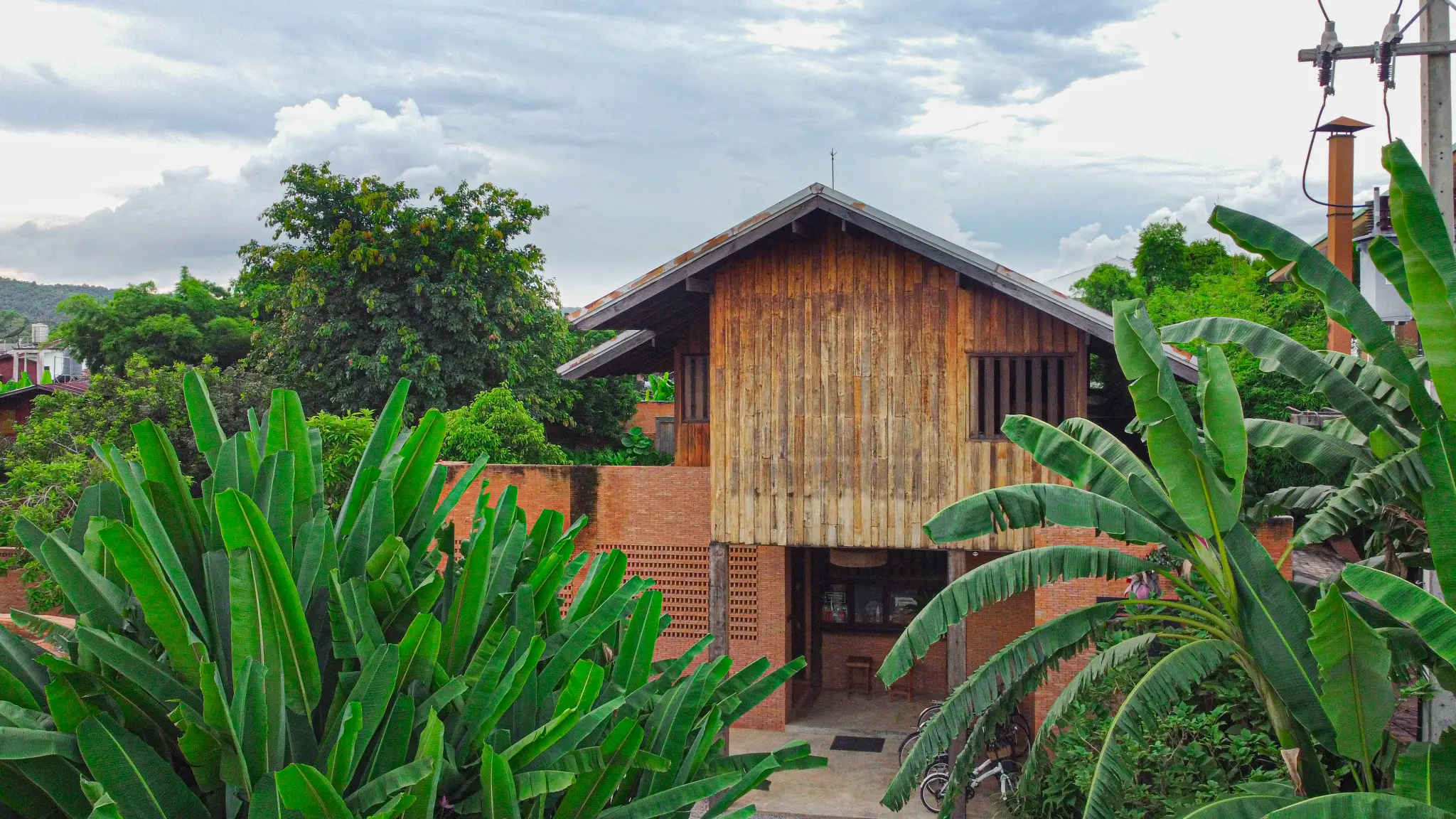
Life by the Mekong, Athita’s architecture and the Chiang Saen community
A journey shared with Chiang Saen
05

05

Growing With the Community

What we are most proud of is not the building alone, but watching local craftsmen bring the architect's vision to life — learning new woodworking details they can carry to other wooden homes in Chiang Saen — and seeing this small town gradually open and grow along with us.

The name ‘Athita’ comes from Wat Athi Ton Kaew, and speaks of a legacy carried into the future — just as a five-hundred-year-old temple still stands, we hope Athita will endure as an inheritance, long after we are gone.

A legacy carried into the future

Athita is a place to rest the heart

Athita is a place to rest the heart — a haven of quiet and safety, among heritage and a way of life beautifully unchanged — where you may take your time, and discover the happiness hidden behind the brick walls of an ancient city.

Stay within the story

Find your roomContact us