Ancient Chiang Saen is not a museum sealed behind a rope. It is a historic town where city walls, moats, temple remains, homes, lanes, food and daily routines still occupy the same landscape. That is the essential idea behind the phrase “a living city”: heritage here is not only something to look at; it is a setting that people continue to inhabit, care for and negotiate every day.
Chiang Rai Province is currently supporting a process to gather information and prepare an approach for proposing Ancient Chiang Saen for World Heritage consideration [1]. This distinction matters. Chiang Saen is not inscribed on the UNESCO World Heritage List at the time of publication. It is on a long-term path of research, coordination and conservation planning. UNESCO explains that a Tentative List is an inventory of places a State Party may consider for future nomination; preparation is encouraged to involve local communities and other stakeholders, alongside a case for potential Outstanding Universal Value, authenticity, integrity and comparison with similar places [3].
To understand Chiang Saen is to see an old city not as a finished object, but as a place where heritage and everyday life must continue to make room for one another.
Why is Chiang Saen called a living historic city?
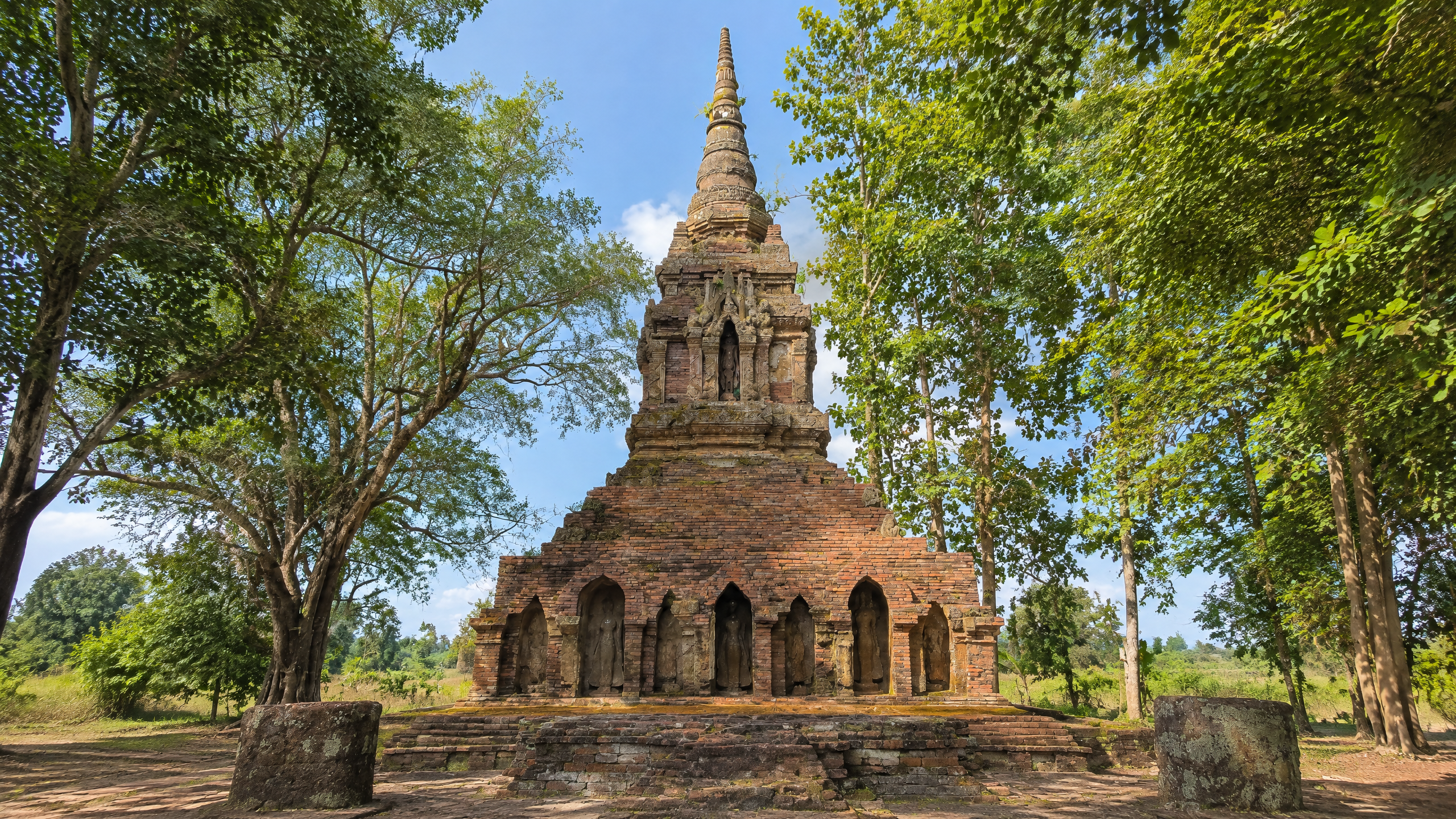
Chiang Saen’s significance begins with its urban fabric. Thai PBS, citing an archaeologist from the Fine Arts Department, describes a historic landscape of walls, moats and forts, as well as a large concentration of temples: 139 in and around the old-town area, with 76 within the walls and 63 beyond them [2]. These numbers are not simply a checklist for a fast day trip. They point to a town shaped through layers of belief, craftsmanship, trade, settlement and movement.
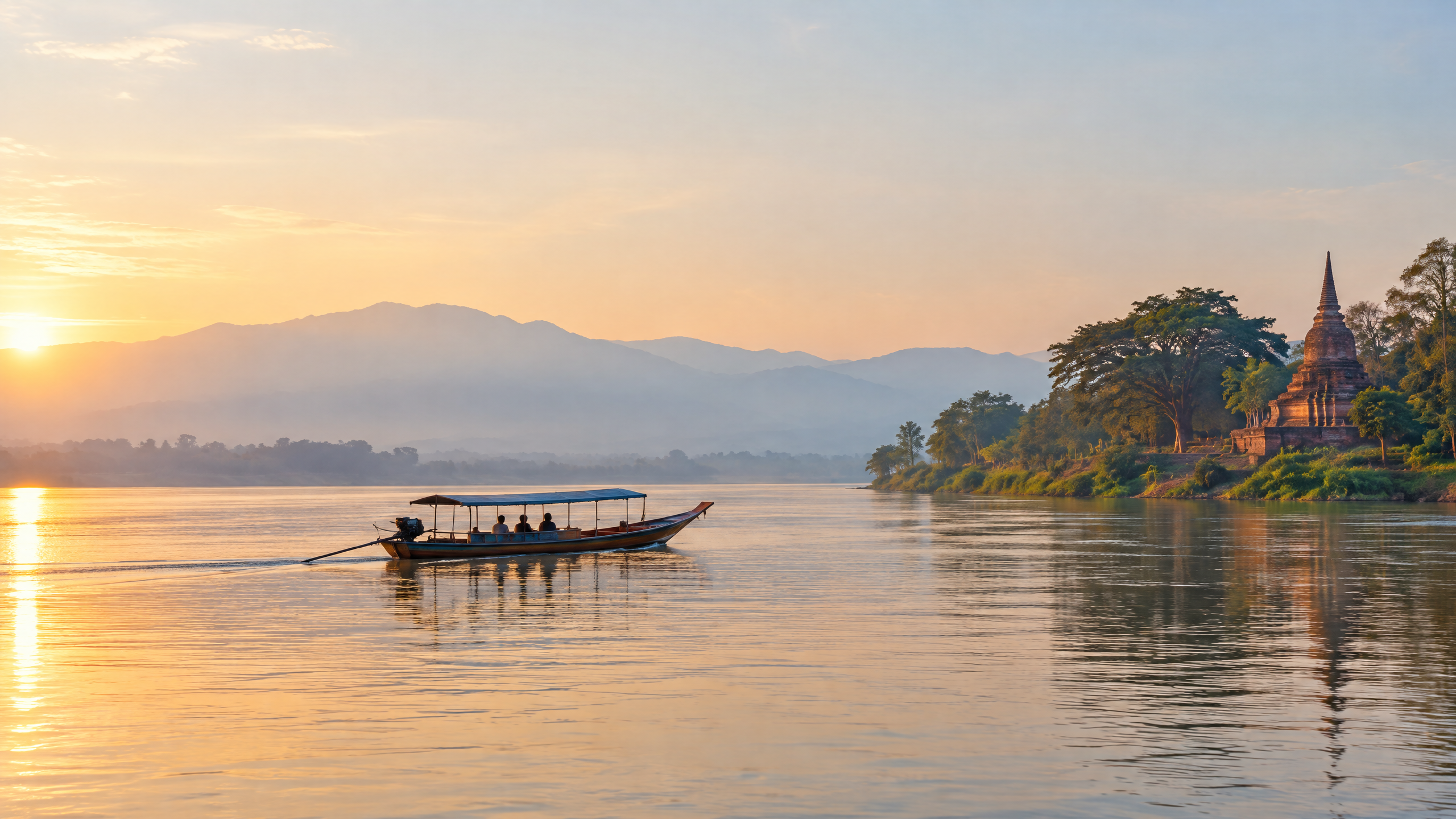
The town also sits within a wider Mekong-borderland geography. Chiang Saen has long been connected with routes toward what are now Thailand, Laos, Myanmar and southern China. Its older structures and temple art reflect more than one influence, while the river landscape continues to shape how people move through and imagine the area. A walk through the old town can therefore include both monumental traces and ordinary scenes: a shaded lane, a small shop, a temple gate, a morning meal, a bicycle leaning near old brick.
That overlap is precisely what makes conservation complex and meaningful. A historic town cannot be preserved by removing life from it. It needs thoughtful rules, good maintenance, compatible new development and community participation so residents, worshippers, visitors and local businesses can share the town with respect.
What does “on the path toward World Heritage” actually mean?
In October 2026, Chiang Rai Province reported a meeting with relevant public bodies and a Senate subcommittee to collect information and discuss a concrete direction for moving Ancient Chiang Saen toward consideration for World Heritage registration [1]. The official update describes preparation and inter-agency coordination; it does not announce a completed inscription. Using accurate language is important for both travellers and the town itself.
A World Heritage journey is not a short marketing campaign. UNESCO’s published guidance describes the Tentative List as a country’s inventory of sites it may consider for nomination. It encourages the participation of site managers, local and regional governments, communities, indigenous peoples, NGOs and other interested partners [3]. The work involves more than a compelling story. It needs evidence, management thinking, a clear account of a site’s potential universal value and careful comparison with other places.
For Chiang Saen, that makes the strongest story less about a headline and more about responsibility. The town’s historic walls, archaeological remains, temples and living communities need to remain connected. Thai PBS reported that local participation, planning and the ability for people to live alongside the old city are central concerns in any long-term effort [2].
What can visitors see in Ancient Chiang Saen?
There is no single route that can “complete” Chiang Saen. A better approach is to choose a few places and leave time between them. A respectful ancient-temple route from Athita introduces several important sites and the etiquette that helps keep a visit considerate. Wat Pa Sak, old town walls and moats, smaller temple grounds and the wider riverside landscape each offer a different way to read the town.
Start with the city itself. Look at how old brick appears beside shade trees and contemporary homes. Notice the scale of lanes and how temple grounds open and close the experience of walking. In the morning, the town can feel particularly gentle: the light is softer, the streets are quieter and a small breakfast stop can become part of the visit rather than a break from it.
Then give a temple one unhurried period of attention. Dress appropriately, keep voices low, follow signs and avoid treating active religious spaces as sets for staged photographs. If you are unsure whether photography is welcome, ask first. Heritage travel is not only about receiving history; it is also about behaving in ways that allow the place to remain dignified for the people who use it every day.
A one-day rhythm for a slower Chiang Saen visit
| Time | A considered way to experience the town |
|---|---|
| Morning | Begin with breakfast, a short old-town walk and one temple or archaeological stop. Let the shade, weather and local opening information shape the route. |
| Midday | Pause for a local meal, then return to your hotel or find a quiet place to rest rather than trying to cover every site in the heat. |
| Afternoon | Continue with a second focused heritage stop, a walk beside historic walls or a slow lane-by-lane exploration. |
| Late afternoon | Make time for Chiang Saen’s Mekong-side atmosphere, or continue north toward the Golden Triangle only after confirming current transport and conditions. |
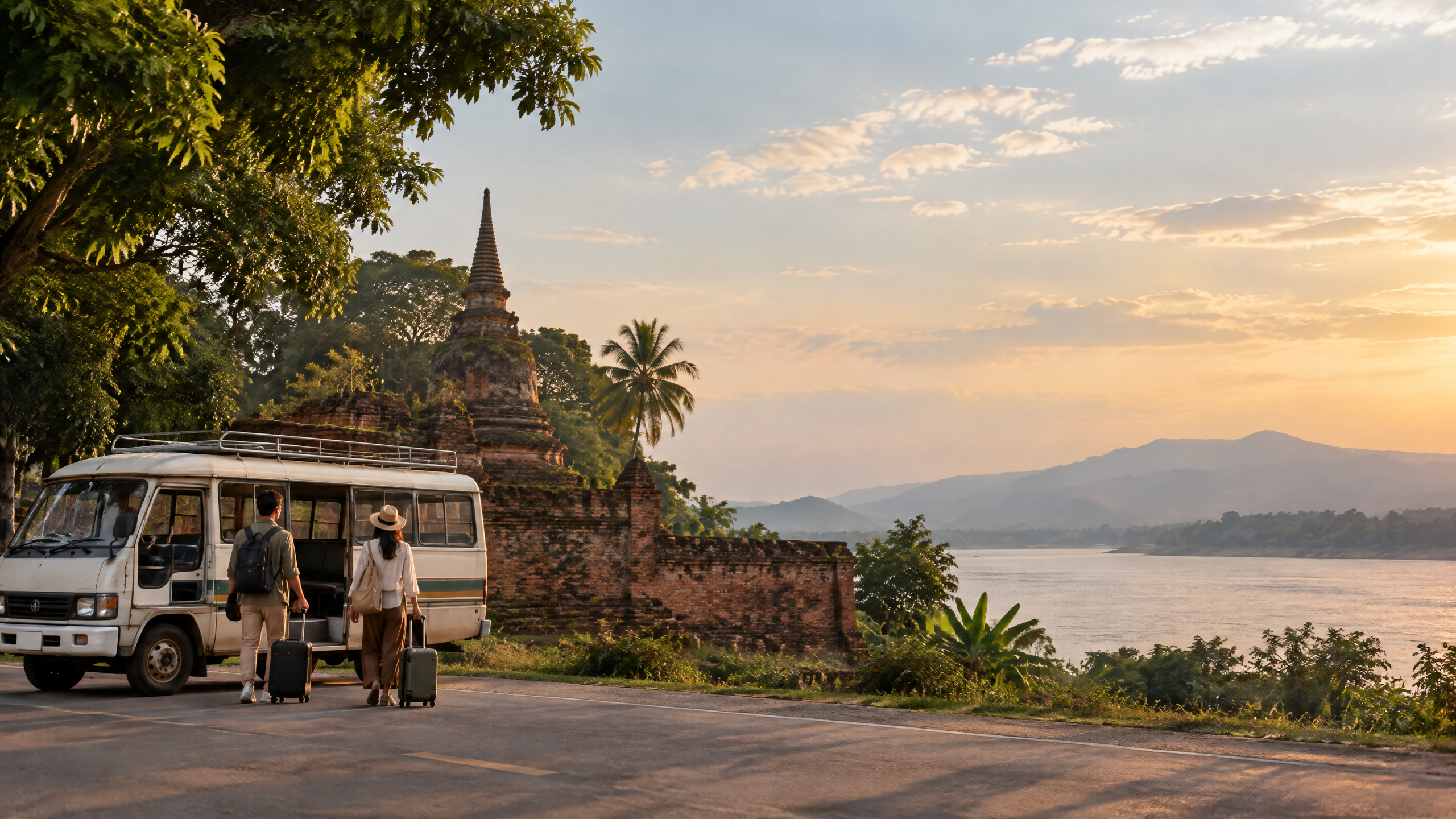
Travellers with two nights can create more space still. Pair one day in the old town with a separate outing to the Golden Triangle, about 9 kilometres north along the Mekong-side road according to the Tourism Authority of Thailand’s Chiang Rai Office [4]. Our 2 days and 1 night Chiang Saen guide offers a flexible rhythm, not a rigid schedule.
Where do food and local stays fit into a heritage trip?
Food and accommodation are not separate from the idea of a living city. A heritage town remains meaningful when visitors support its everyday economy with attention and respect. Choose meals slowly, ask about local ingredients and be patient with small independent businesses. Rather than searching only for a “must-eat” list, make dining a way to notice the pace of the town: morning coffee, a shared lunch, a simple northern Thai meal, or a relaxed dinner after a day of walking.
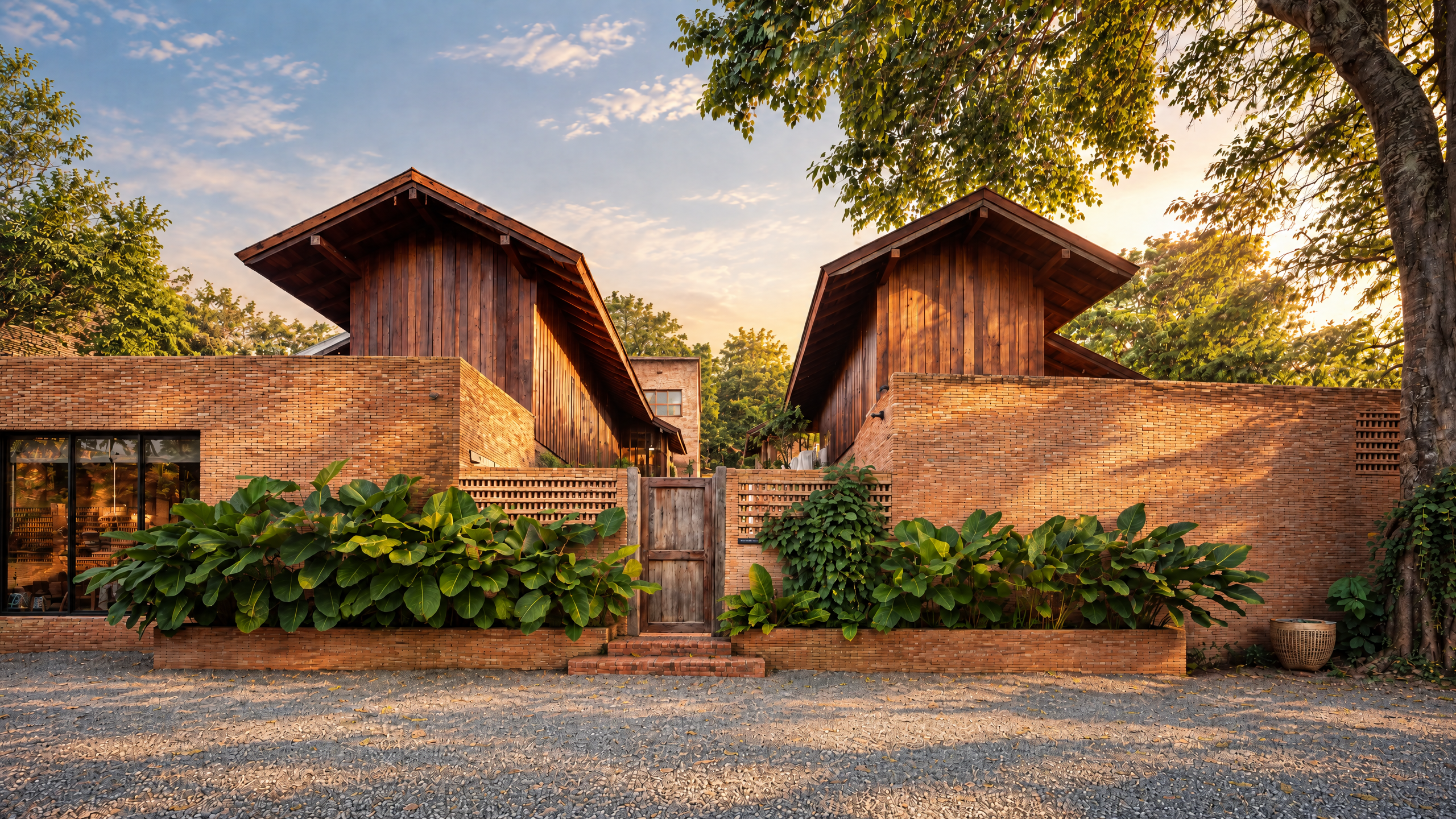
Staying in or near the old-town context also changes the rhythm of a visit. Athita The Hidden Court is a nine-room boutique hotel in Wiang, Chiang Saen. Its brick, timber and planted courts make a quieter base for travellers who want to explore the town without treating it as a drive-through attraction. The hotel is not presented as a heritage authority or a World Heritage property. It is a place to rest, dine and prepare for a respectful experience of the historic setting. Explore Athita dining or the accommodation collection when planning a stay.
This is also why the words used around the World Heritage conversation matter. Travellers may come to Chiang Saen because of its historic character and its future potential, but their visit has more value when it supports the living town now: local dining, careful spending, slower routes and an awareness that the city belongs first to the people who call it home.
How can travellers help care for Chiang Saen?
Respect is practical. Keep to marked paths around fragile structures. Do not climb, scratch or lean bicycles against ancient brick. Keep drones and professional photography subject to relevant local rules and permissions. Carry reusable water where practical, avoid leaving waste around riverside and temple areas, and choose clothing that is suitable for religious sites.
It is also helpful to leave room for uncertainty. Opening times, access conditions, river activity, weather and community events can change. Confirm details close to travel, particularly if you plan a boat outing or a journey toward the Golden Triangle. Our Mekong boat-trip guide explains why safety, local operators and current conditions should guide any river plan.
Most importantly, avoid describing Chiang Saen as already “a UNESCO World Heritage Site.” The current story is more honest and more interesting: an ancient city is being studied and prepared through a process that should make the local community, conservation and thoughtful visitor behaviour part of the conversation.
Frequently asked questions about Chiang Saen and World Heritage
Is Ancient Chiang Saen already a UNESCO World Heritage Site?
No. At the time of publication, Ancient Chiang Saen has not been inscribed on the UNESCO World Heritage List. Chiang Rai’s official update describes ongoing information gathering and preparation to move the place toward consideration for World Heritage registration [1].
Why is Chiang Saen important?
Chiang Saen has a historic urban landscape of walls, moats, forts and numerous temple sites. It is also a lived-in town within the Mekong-borderland setting, where historic traces, community life and local economies remain connected [2].
What does a World Heritage Tentative List mean?
UNESCO describes a Tentative List as an inventory of sites a State Party may consider for future nomination. It is not the same as inscription on the World Heritage List [3].
How long should I stay in Chiang Saen?
Two nights usually provide a more balanced visit: one period for the old town and another for the wider Mekong or Golden Triangle area, while leaving time to rest. The right length depends on your arrival plan and interests.
Where can I stay when visiting Chiang Saen old town?
Athita The Hidden Court is a nine-room boutique hotel in Wiang, Chiang Saen. Enquire through the Athita contact page, email athita.info@gmail.com or call +66 63 426 9464 for current availability and practical stay guidance.
Visit the city that is still being written
Chiang Saen’s future will not be determined by a label alone. Its strength lies in the relationship between ancient structures, a river-border landscape, people who live and work here, and visitors who choose to move through it with care. Stay long enough to walk, eat, listen and notice. In that slower rhythm, a city’s path toward the future can become part of the journey itself.
References
- Chiang Rai Provincial Public Relations Office, Chiang Rai advances Ancient Chiang Saen toward World Heritage consideration, 7 October 2026.
- Thai PBS, the route and aspiration to advance Chiang Saen toward World Heritage, 17 May 2024.
- UNESCO World Heritage Centre, Tentative Lists.
- Tourism Authority of Thailand Chiang Rai Office, Golden Triangle.
Your next step
Turn the story into time at Athita.
Explore the room collection, or tell us what kind of stay you have in mind and our team can guide you.