
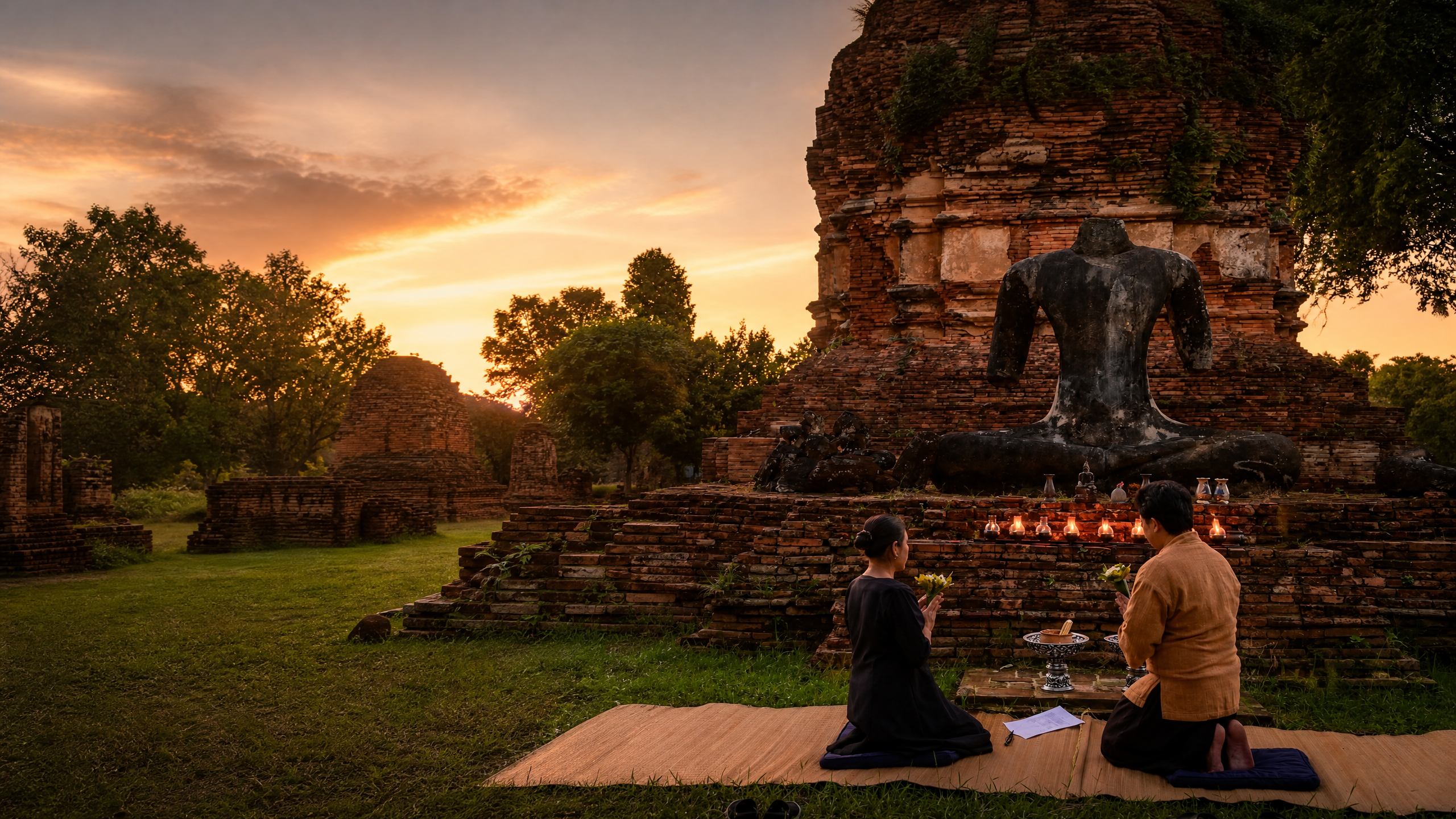
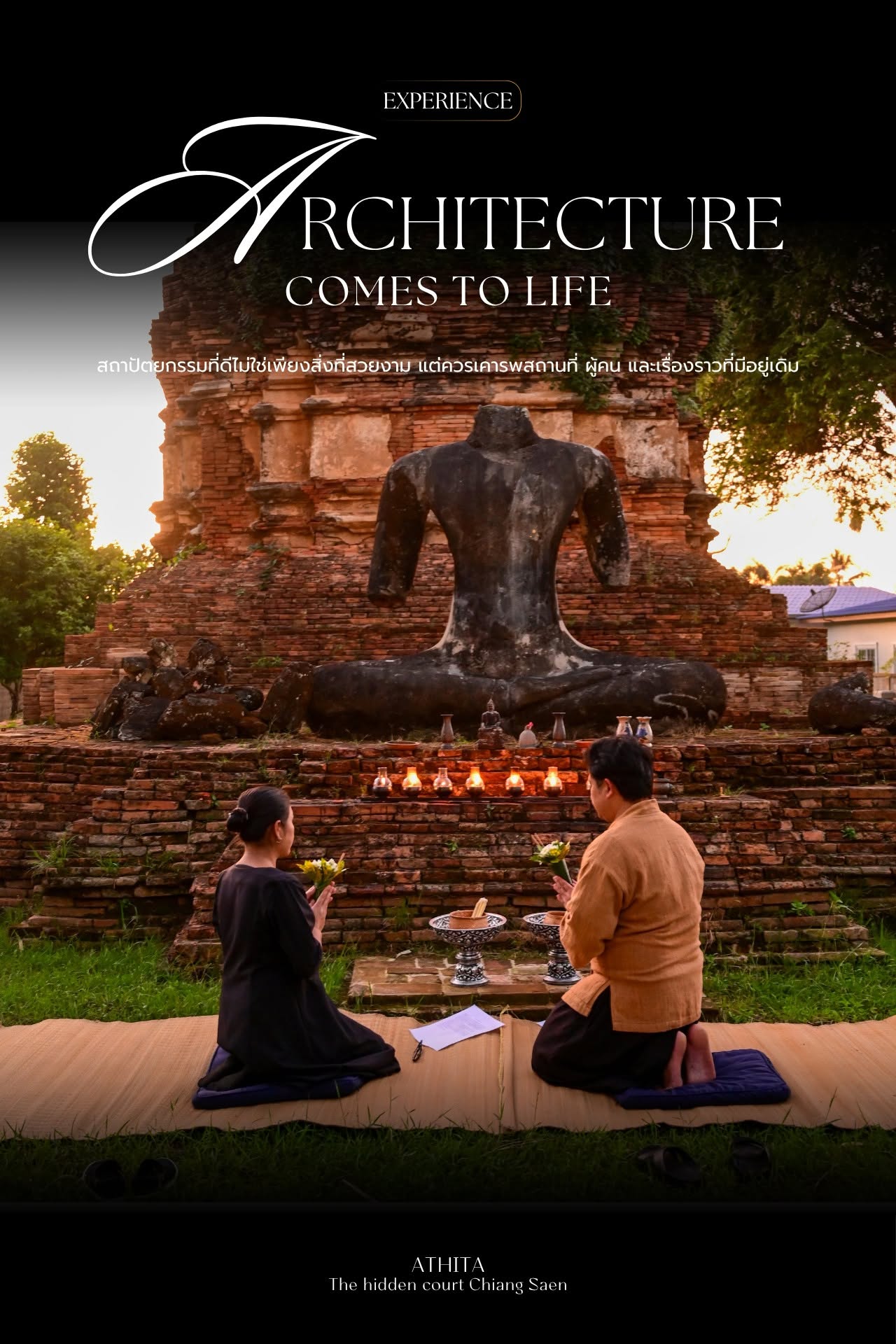
Athita Chiang Saen: Living Architecture That Respects Its Roots begins not by asking how conspicuous a new building should be, but by listening to what the old town already holds: temples, brick walls, timber houses, open courts and an unhurried rhythm. Near Wat Athi Ton Kaew in Wiang, Chiang Saen, Athita The Hidden Court lets a stay become a way of reading its setting [1] [2].
What does living architecture mean at Athita?
At Athita, living architecture is not a replica of the past. It is architecture that remains in relationship with its surroundings. An L-shaped plan embraces a lawn court, while a buffer keeps a respectful spatial relationship between the hotel and the old temple [2]. The resulting voids carry light, air, planting and views through the site.
How do brick and timber tell Chiang Saen’s story?
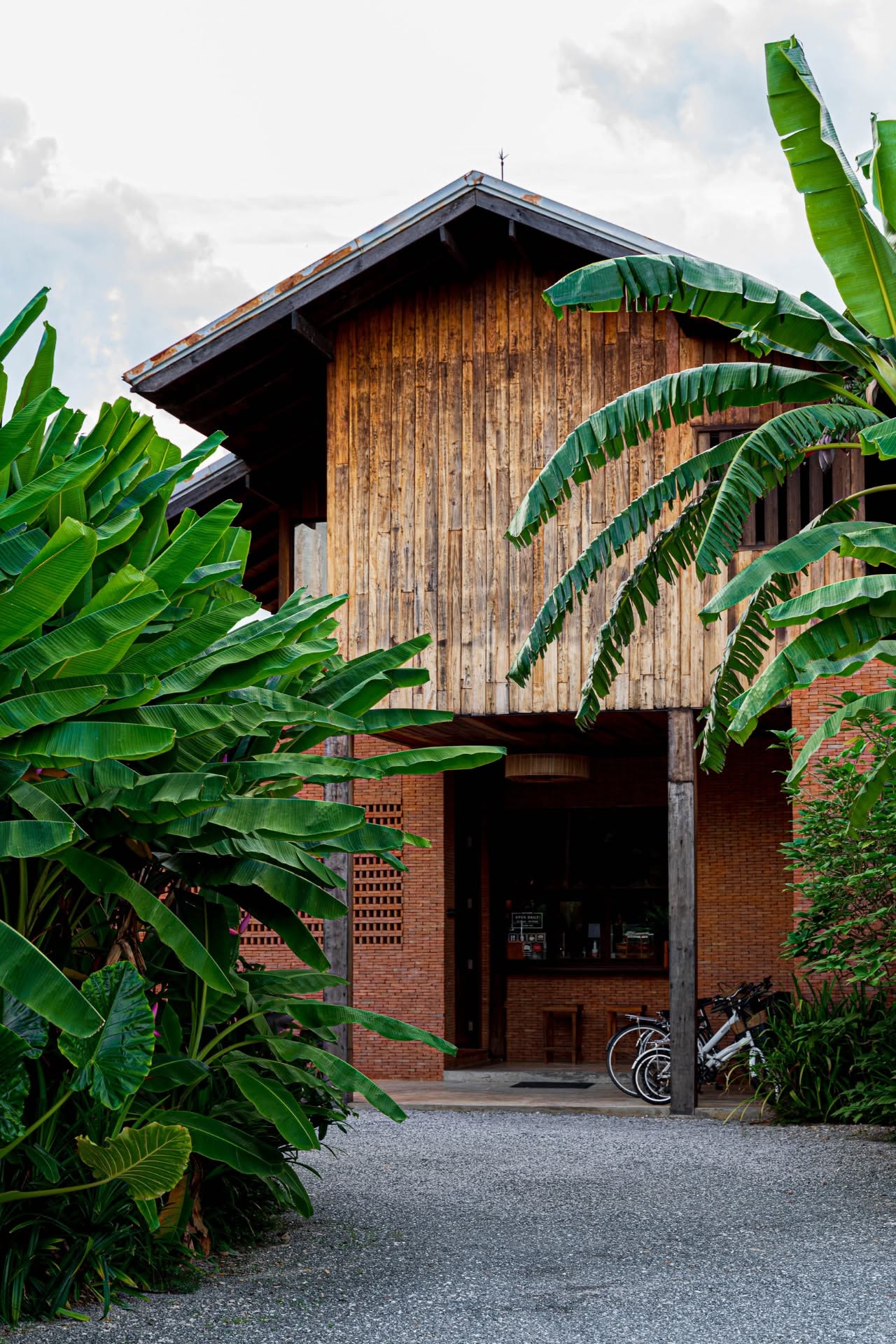
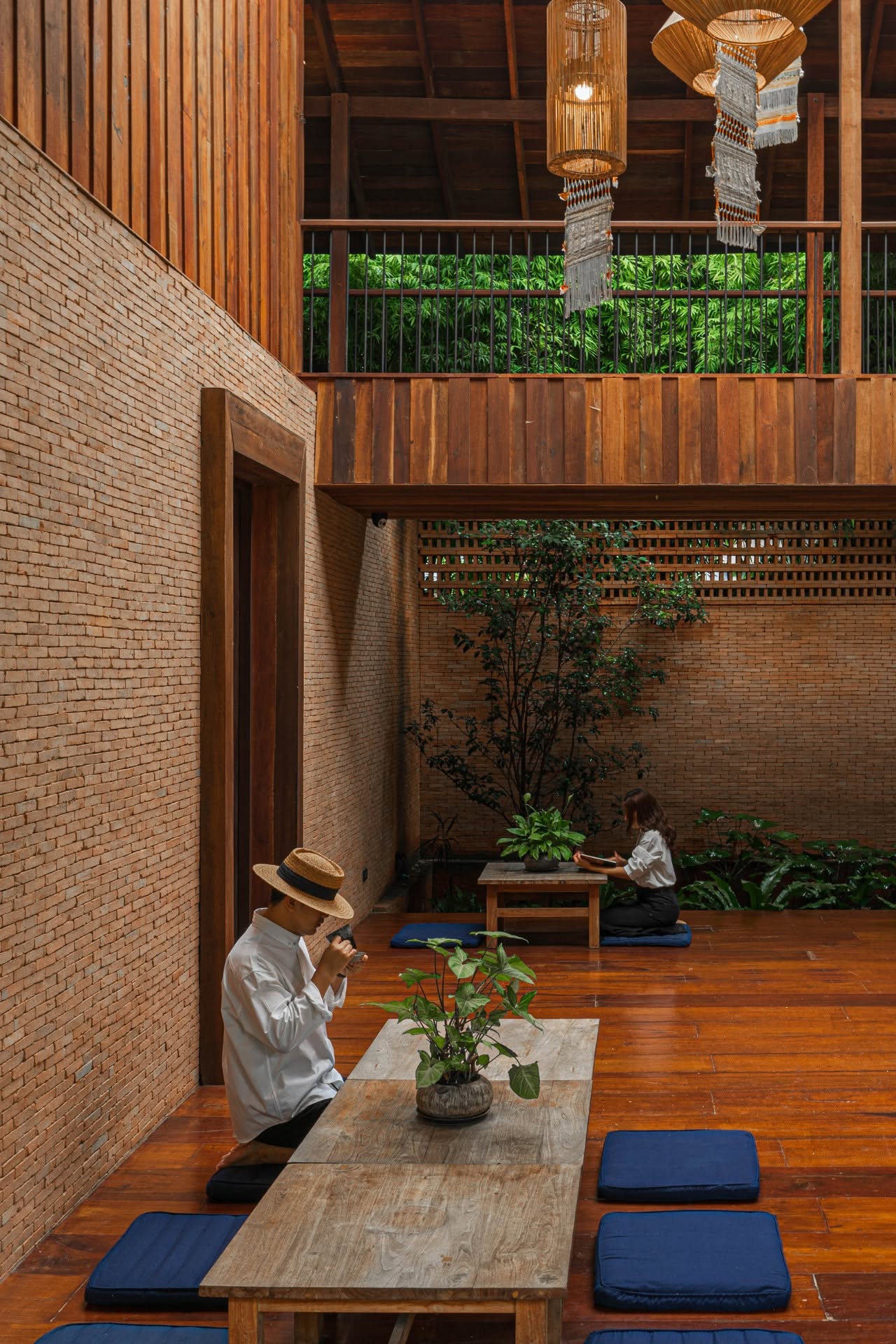
Athita’s own story distinguishes brick, associated with Chiang Saen’s temples and monuments, from timber, associated with its homes. Handmade clay brick shapes walls and the lower level; teak and Lanna timber craft shape the upper level [1]. This makes material a way to read the town, rather than a decorative theme.
| Element | Role | Guest experience |
|---|---|---|
| Clay brick | Recalls monuments and defines boundaries with permeability | Texture, shade and privacy without a sealed edge |
| Timber | Extends the language of Northern homes and craft | Warmth, shade and a domestic scale |
| Courtyard | Reinterprets an open communal court | Light, planting and a pause between indoors and out |
Courts, khuang and the space in between
The Lanna idea of a khuang, or open court, informs the name The Hidden Court and its central lawn [1]. The in-between space is equally important: it allows the temple, the new building and the visitor to remain in dialogue rather than competing for attention.
Why does local craft matter?
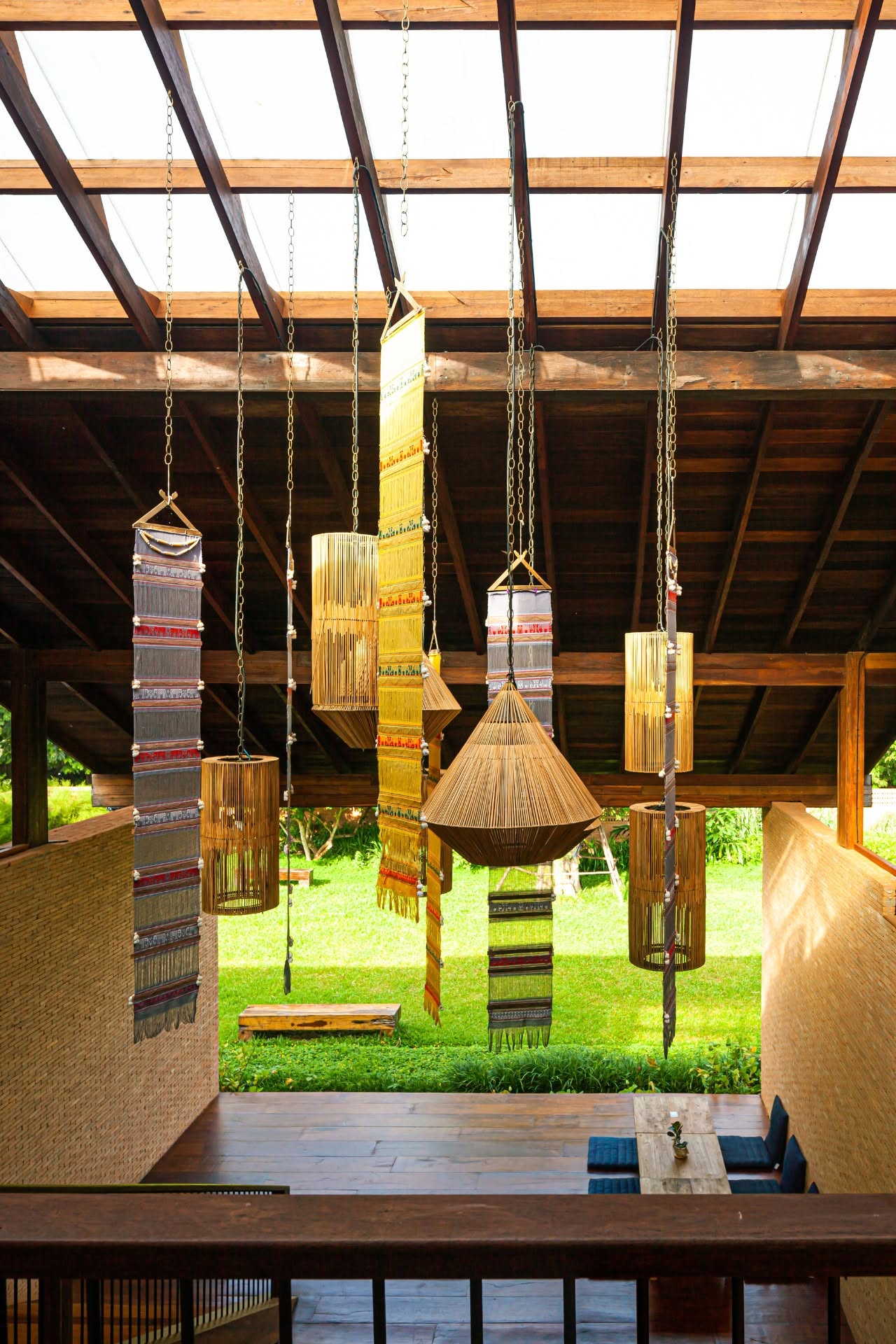
Working with local craftspeople lets timber and brick details develop from material knowledge as well as contemporary design intent [2] [3]. Woven objects, lamps, timber frames and brick surfaces make time, skill and changing daylight perceptible during a stay.
How should visitors read Chiang Saen from Athita?
Athita is at 984 Moo 2, Wiang, Chiang Saen, Chiang Rai 57150, within the old-town setting near Wat Athi Ton Kaew. Leave room to explore the historic town at an unhurried pace, then continue with accommodation, wellness, dining or local experiences.
Frequently asked questions
Who designed Athita The Hidden Court?
Studio Miti is credited as architect in the project and award information [2] [3].
Why are brick and timber central to the design?
They connect the hotel to Chiang Saen’s monuments, homes and local craft traditions in a contemporary way [1].
Where is Athita located?
Athita is in Wiang, Chiang Saen, Chiang Rai, Thailand. Contact the team through Athita contact page for stay planning.
Respect the roots, let the place keep growing
Athita’s character comes from giving the existing town room to remain visible: brick, timber, temple, court and craft all retain a role. Explore a stay at Athita or read the related story Pool Villas with Teak Roofs and Brick Walls.
References
Your next step
Turn the story into time at Athita.
Explore the room collection, or tell us what kind of stay you have in mind and our team can guide you.